

Hey there! As a supplier of Powder Packer, I often get asked about the air consumption of a pneumatic powder packer. It's a crucial question, especially for those looking to set up an efficient and cost - effective packing operation. So, let's dive right in and break down what air consumption in a pneumatic powder packer is all about.
Understanding Pneumatic Powder Packers
First things first, let's briefly talk about what a pneumatic powder packer is. These machines are designed to pack powdered substances into bags or containers. They use compressed air to perform various functions, such as moving the powder, opening and closing valves, and operating the packing mechanisms. The use of compressed air makes them highly efficient and suitable for handling a wide range of powders, from fine flours to coarser granular substances.
Factors Affecting Air Consumption
There are several factors that can influence the air consumption of a pneumatic powder packer.
1. Machine Design
The design of the powder packer plays a huge role. Some packers are engineered to be more air - efficient than others. For example, modern packers often feature advanced valve systems and pneumatic circuits that minimize air waste. These designs are able to precisely control the amount of air used for each packing cycle, reducing overall consumption.
2. Packing Speed
The speed at which the packer operates also affects air consumption. If you're running the packer at a high speed, it will generally require more air. This is because more operations are being performed in a shorter period of time, such as filling multiple bags quickly. On the other hand, a slower packing speed may use less air, but it might not be as productive for large - scale operations.
3. Powder Characteristics
The type of powder being packed matters too. Fine powders tend to require more air to move and fill the bags properly. This is because they can be more difficult to handle and may need a stronger air flow to prevent clumping. Coarser powders, on the other hand, might need less air as they are easier to transport.
4. Bag Size and Filling Volume
The size of the bags you're using and the volume of powder you're filling into them have an impact on air consumption. Larger bags or higher filling volumes usually mean more air is needed to move the powder into the bags. For instance, if you're packing 50 - kg bags instead of 10 - kg bags, the packer will have to use more air to fill the larger bags.
Measuring Air Consumption
Measuring the air consumption of a pneumatic powder packer is essential for understanding its efficiency. One common way to measure it is by using an air flow meter. This device can be installed in the compressed air line leading to the packer. It will measure the volume of air passing through the line over a given period of time.
Another way is to calculate the air consumption based on the number of packing cycles. You can measure the amount of air used for a single cycle and then multiply it by the number of cycles per minute, hour, or day. This method gives you a good estimate of the overall air consumption for your specific packing operation.
Calculating Air Consumption
Let's take a look at a simple example of how to calculate air consumption. Suppose a pneumatic powder packer uses 0.5 cubic meters of air per packing cycle. If the packer is running at a rate of 20 cycles per minute, then the air consumption per minute is 0.5 x 20 = 10 cubic meters per minute.
If you want to calculate the air consumption per hour, you just multiply the per - minute consumption by 60. So, in this case, it would be 10 x 60 = 600 cubic meters per hour.
Impact of Air Consumption on Costs
Air consumption has a direct impact on the operating costs of a pneumatic powder packer. Compressed air is not free. The energy required to compress the air accounts for a significant portion of the overall cost of running the packer. High air consumption means higher energy bills and, ultimately, higher production costs.
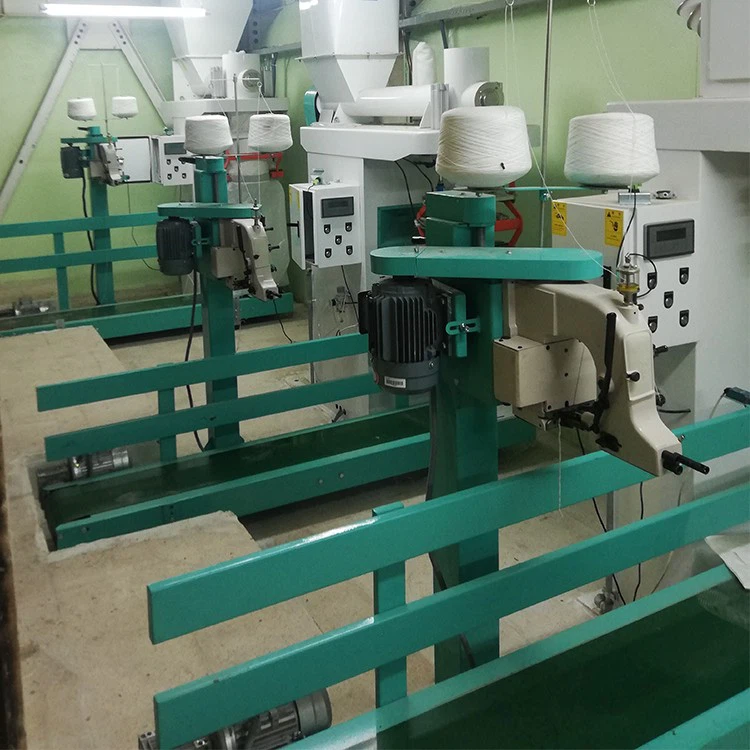

For example, if your packer has a high air consumption rate and you're running it for long hours every day, the cost of compressed air can add up quickly. This is why it's so important to choose a powder packer that is energy - efficient and has a reasonable air consumption rate.
Improving Air Efficiency
There are several ways to improve the air efficiency of a pneumatic powder packer.
1. Regular Maintenance
Keeping the packer well - maintained is crucial. This includes checking for air leaks in the pneumatic system. Even a small leak can waste a significant amount of air over time. Regularly inspecting and replacing worn - out seals and valves can help prevent air leaks and improve efficiency.
2. Optimizing Packing Speed
As mentioned earlier, packing speed affects air consumption. By finding the optimal packing speed for your operation, you can balance productivity and air efficiency. You may need to do some testing to determine the speed that uses the least amount of air while still meeting your production goals.
3. Upgrading the Packer
If your existing packer is old and inefficient, consider upgrading to a newer model. Newer powder packers often come with advanced features that are designed to reduce air consumption. They may have better valve control systems, more efficient pneumatic circuits, and improved designs that minimize air waste.
Integration with an Automatic Packing Line
Many of our customers also integrate their powder packers with an Automatic Packing Line. When integrating a pneumatic powder packer into an automatic packing line, air consumption needs to be carefully considered. The entire line will have a combined air demand, and it's important to ensure that the compressed air supply can meet the needs of all the equipment on the line.
An automatic packing line can improve overall efficiency by streamlining the packing process. However, if the air consumption is not managed properly, it can lead to increased costs and potential performance issues. By choosing a powder packer with a reasonable air consumption rate and optimizing the air distribution in the line, you can ensure smooth and cost - effective operation.
Conclusion
In conclusion, the air consumption of a pneumatic powder packer is influenced by several factors, including machine design, packing speed, powder characteristics, and bag size. Measuring and calculating air consumption is important for understanding the efficiency of the packer and managing operating costs.
By taking steps to improve air efficiency, such as regular maintenance, optimizing packing speed, and upgrading the packer, you can reduce the amount of air used and save on energy costs. And when integrating the packer into an automatic packing line, careful consideration of air consumption is essential for a successful operation.
If you're in the market for a powder packer or looking to upgrade your existing equipment, we're here to help. Our team of experts can assist you in choosing the right packer with the optimal air consumption for your specific needs. Whether you're a small - scale producer or a large - scale manufacturer, we have solutions that can fit your requirements. Contact us to start a discussion about your powder packing needs and let's work together to find the best solution for you.
References
- "Pneumatic Systems Handbook" by Pneumatics Institute
- "Powder Handling and Packaging Technology" by Packaging Research Center


