

As a trusted corn degerminator supplier, I understand the importance of properly training employees to operate this specialized equipment. A well - trained workforce can ensure high - quality output, efficient operation, and the longevity of the machinery. In this blog, I will share some essential steps on how to train employees to operate a corn degerminator.
Understanding the Corn Degerminator
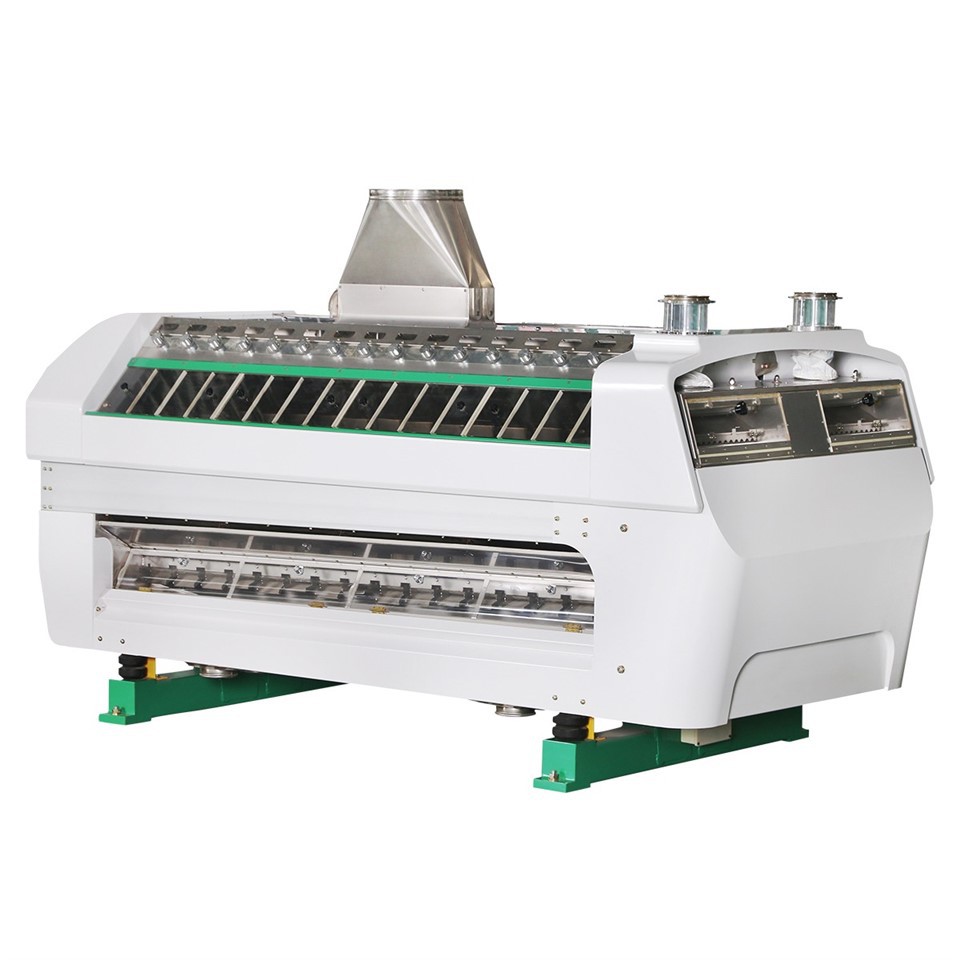
Before starting hands - on training, employees must have a solid theoretical understanding of the corn degerminator. We should provide them with detailed technical manuals that explain the structure, working principle, and main components of the machine. For example, they should know about the feeding system, degerming chamber, separation unit, and discharge mechanism.
The feeding system is responsible for transporting corn kernels into the degerminator at a proper speed. The degerming chamber is where the actual separation of the germ from the corn kernel takes place, usually through mechanical forces such as friction and impact. The separation unit then separates the germ, endosperm, and bran from each other, and the discharge mechanism sends the different products out of the machine.
We can also organize theoretical training sessions where our experienced technicians can explain these concepts in more detail. Diagrams and videos can be used to help employees visualize how the machine works. For instance, a video showing the flow of corn through the entire degermination process can be very helpful in enhancing their understanding.
Safety Training
Safety should always be the top priority when it comes to operating any industrial equipment, especially a corn degerminator. Employees need to be trained on safety procedures and precautions.
First, they should be taught how to properly wear personal protective equipment (PPE), such as safety goggles, gloves, and ear protection. Safety goggles protect their eyes from flying debris, gloves prevent hand injuries, and ear protection reduces the risk of hearing damage due to the noise generated by the machine.
We should also train them on how to safely start, stop, and shut down the corn degerminator. For example, they need to know the correct sequence of turning on different components to avoid electrical or mechanical malfunctions. In addition, employees should be aware of emergency stop buttons and how to use them in case of an accident or malfunction.

Regular safety drills can be conducted to ensure that employees are well - prepared for any unexpected situations. These drills can simulate scenarios such as a blockage in the machine or a power outage, and employees should be trained to respond quickly and appropriately.
Hands - on Training
After theoretical and safety training, hands - on training is crucial. We should start with a dry run of the machine, where employees can practice operating the controls without actual corn being fed into the machine. This allows them to get familiar with the feel of the controls, such as adjusting the speed of the conveyor belt, setting the pressure in the degerming chamber, and monitoring the indicators on the control panel.
Once they are comfortable with the dry run, we can introduce a small amount of corn into the degerminator. Employees should be supervised closely during this process. They should learn how to adjust the machine settings according to the quality of the input corn. For example, if the corn is of a harder variety, they may need to increase the pressure in the degerming chamber to ensure effective degerming.
During hands - on training, we can also teach employees how to troubleshoot common problems. For example, if the machine makes an abnormal noise, they should know how to check for loose parts or blockages. If the separation efficiency is low, they can learn to adjust the settings of the separation unit.
Quality Control Training
Employees need to understand the importance of quality control in the corn degermination process. They should be trained on how to inspect the output products, including the germ, endosperm, and bran.
For the germ, they should check its purity, size, and moisture content. High - quality germ should be relatively large, free from impurities, and have an appropriate moisture level. The endosperm should be separated cleanly from the germ and bran, and its quality can be evaluated by factors such as particle size and starch content. The bran should also be collected separately and inspected for any remaining germ or endosperm.
We can provide employees with quality control standards and inspection tools, such as sieves for checking particle size and moisture meters for measuring moisture content. Regular quality checks should be carried out during the operation of the corn degerminator, and employees should be trained to take corrective actions if the quality of the output does not meet the standards.
Maintenance and Cleaning Training
Proper maintenance and cleaning of the corn degerminator are essential for its long - term performance. Employees should be trained on how to perform routine maintenance tasks, such as lubricating moving parts, checking belts and chains for wear, and tightening loose bolts.
We can provide a maintenance schedule that outlines when different maintenance tasks should be carried out. For example, lubrication may need to be done once a week, while a more comprehensive inspection and maintenance of the entire machine may be required once a month.
Cleaning is also a critical part of maintaining the corn degerminator. Employees should know how to clean the feeding system, degerming chamber, separation unit, and discharge mechanism. Residual corn particles and dust can accumulate in these parts, which can affect the performance of the machine and even lead to breakdowns. They should be trained to use appropriate cleaning tools and cleaning agents, and also understand the importance of cleaning at the right frequency.
Integration with Other Equipment
In a flour mill or a food processing plant, the corn degerminator is often part of a larger production line. Employees should be trained on how to integrate the operation of the corn degerminator with other equipment, such as the Plan Sifter Machine, Semolina Purifier, and Plansifter Machine.
They need to understand how the output of the corn degerminator is fed into these other machines. For example, the endosperm separated by the corn degerminator may be sent to a plan sifter machine for further separation of different particle sizes. They should know the correct feeding speed and alignment to ensure smooth operation of the entire production line.
Continuous Training and Evaluation
Training is not a one - time event. We should provide continuous training to keep employees updated with the latest technology and best practices in operating the corn degerminator. This can include training on new machine features, improvements in degermination techniques, or changes in safety regulations.
Regular evaluations should also be carried out to assess employees' skills and knowledge. We can use written tests, practical demonstrations, and on - the - job performance assessments. Based on the evaluation results, we can identify areas where employees need further training and provide targeted training programs.
Conclusion
Training employees to operate a corn degerminator is a comprehensive process that involves theoretical knowledge, safety training, hands - on practice, quality control, maintenance, and integration with other equipment. By following these steps and providing continuous training and evaluation, we can ensure that our customers have a well - trained workforce capable of operating the corn degerminator efficiently and safely.
If you are interested in our corn degerminators or need further information on training and operation, please reach out to us for a detailed discussion on how we can meet your specific requirements. We are ready to provide you with the best solutions for your corn processing needs.
References
- Technical manuals of our corn degerminator
- Industry standards for corn degermination and related equipment operation
- Guidelines on industrial safety and maintenance practices


