

Milling equipment is a cornerstone in various industries, from food processing to manufacturing. Among the essential maintenance tasks, replacing cutters in milling equipment is a critical process that directly impacts the quality and efficiency of operations. As a leading milling equipment supplier, I understand the importance of this procedure and am here to guide you through the steps to ensure a smooth cutter replacement.
Understanding the Importance of Cutter Replacement
Cutters are the heart of milling equipment. Over time, due to continuous use, they can become dull, chipped, or worn out. Dull cutters not only reduce the quality of the milling process but also increase the energy consumption of the equipment. For instance, in a Wheat Roller Mill, sharp cutters are essential for efficient grain grinding, ensuring a consistent particle size and high - quality flour production. In a manufacturing setting, precision cutters are crucial for creating accurate parts, and worn - out cutters can lead to defective products.
Pre - replacement Preparations
Before you start replacing the cutters, it is essential to take several preparatory steps. First, gather all the necessary tools. These typically include wrenches, screwdrivers, and possibly a cutter holder removal tool, depending on the type of milling equipment. Make sure the tools are in good condition and of the correct size.
Next, ensure the safety of the operation. Turn off the milling equipment and disconnect it from the power source. This step is non - negotiable as it prevents any accidental start - up during the replacement process, which could cause serious injury. Wear appropriate personal protective equipment (PPE), such as safety glasses and gloves, to protect yourself from any sharp edges or debris.
It is also a good idea to clean the work area around the milling equipment. Remove any dust, chips, or debris that could interfere with the replacement process. This not only makes the task easier but also helps to prevent any foreign particles from getting into the equipment during the replacement.
Identifying the Right Cutters
Selecting the correct cutters is crucial for the proper functioning of the milling equipment. Refer to the equipment's manual to determine the specific cutter model and specifications required. Consider factors such as the material being milled, the desired cutting speed, and the type of milling operation (e.g., face milling, end milling).
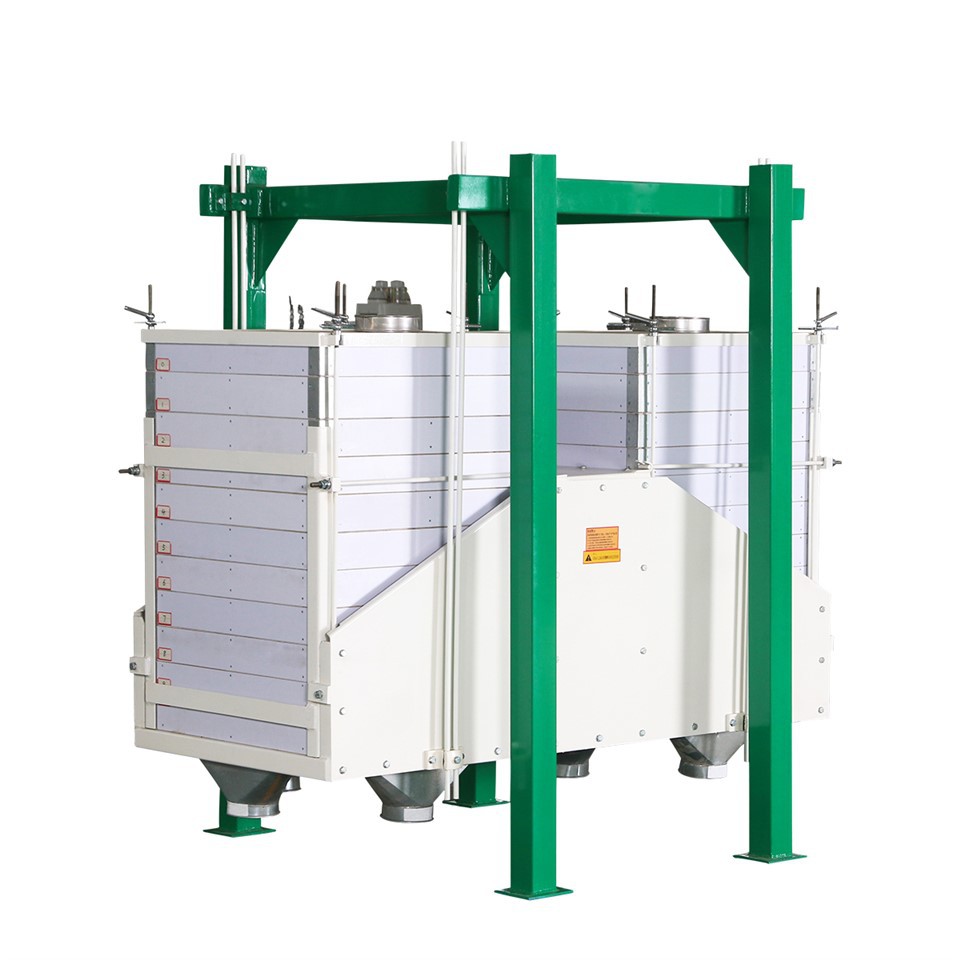
As a milling equipment supplier, we offer a wide range of cutters suitable for different applications. Whether you are using a Plansifter Machine for flour sieving or a more complex milling machine for metalworking, we can provide you with the right cutters. Our experts can also assist you in choosing the most appropriate cutters based on your specific needs.

Removing the Old Cutters
Once you have completed the preparations and identified the right cutters, it's time to remove the old ones. Start by removing any covers or guards that provide access to the cutter assembly. This may require using the appropriate tools to loosen and remove screws or bolts.
Locate the cutter holder. In some milling equipment, the cutter holder is secured with a locking mechanism, such as a clamp or a bolt. Use the correct tool to release this locking mechanism. Be careful not to apply too much force to avoid damaging the holder or other components of the equipment.
Gently remove the old cutter from the holder. If the cutter is stuck, do not use excessive force. Try to wiggle it gently or use a cutter removal tool if available. Inspect the old cutter for signs of damage or excessive wear. This can give you an idea of how often cutter replacement should be carried out in the future.
Installing the New Cutters
Before installing the new cutters, clean the cutter holder thoroughly. Use a clean cloth to remove any dirt, oil, or debris. This ensures a proper fit and reduces the risk of the cutter slipping during operation.
Carefully insert the new cutter into the holder. Make sure it is seated correctly and aligned properly. Some cutters may have specific orientation markings, so pay close attention to these. Once the cutter is in place, use the locking mechanism to secure it firmly. Double - check that the cutter is tightly held to prevent any movement during the milling operation.
Testing the New Cutters
After installing the new cutters, it is time to test the milling equipment. Reconnect the power source and turn on the equipment. Start with a slow - speed test run to check for any abnormal vibrations or noises. If you notice any issues, immediately turn off the equipment and re - check the cutter installation.
Once the slow - speed test is successful, gradually increase the speed to the normal operating level. Observe the cutting performance. The new cutters should provide a smooth and efficient cutting operation. If you are using the milling equipment for a specific application, such as in a Flour Plansifter Machine, check the quality of the output to ensure that the cutters are working as expected.
Maintenance Tips After Cutter Replacement
To extend the lifespan of the new cutters and ensure the continued smooth operation of the milling equipment, regular maintenance is essential. Keep the equipment clean by removing dust and debris after each use. Lubricate the cutter holders and other moving parts as recommended in the equipment's manual.
Monitor the cutting performance regularly. If you notice any signs of reduced performance, such as a decrease in cutting quality or an increase in power consumption, it may be an indication that the cutters need to be inspected or replaced again.
Conclusion
Replacing cutters in milling equipment is a task that requires careful preparation, the right tools, and attention to detail. By following the steps outlined above, you can ensure a successful cutter replacement and maintain the optimal performance of your milling equipment.
As a trusted milling equipment supplier, we are committed to providing you with high - quality cutters and comprehensive support. If you have any questions about cutter replacement or need assistance in choosing the right cutters for your milling equipment, do not hesitate to contact us. We are here to help you optimize your milling operations and achieve the best results.
References
- Milling Equipment Manufacturer's Manuals
- Industry Standards for Milling Operations
- Technical Papers on Cutting Tool Technology


