

Adjusting the feeding speed of a corn degerminator is crucial for efficient and high - quality corn processing. As a supplier of Corn Degerminator, I've seen firsthand how the right feeding speed can make or break a corn processing operation. In this blog, I'll share some practical tips on how to adjust the feeding speed of a corn degerminator.
Why the Right Feeding Speed Matters
Before we dive into the methods of adjustment, it's important to understand why the feeding speed is so critical. A corn degerminator is designed to remove the germ from the corn kernels. If the feeding speed is too fast, the machine may not have enough time to separate the germ effectively. This can lead to lower germ extraction rates and a higher proportion of germ remaining in the end - product. On the other hand, if the feeding speed is too slow, the machine runs inefficiently, wasting time and energy.
Factors Affecting Feeding Speed
Corn Characteristics
The variety and physical properties of the corn play a big role in determining the optimal feeding speed. For example, some corn varieties have a looser germ attachment, which means they can tolerate a higher feeding speed. In contrast, corn with a tightly attached germ may need a slower feeding speed for proper degerming. Moisture content is also a key factor. Higher moisture levels can make the corn kernels stick together, which may slow down the material flow inside the degerminator. In such cases, you might need to adjust the feeding speed accordingly.
Machine Capacity
Every corn degerminator has a specified capacity, usually measured in tons per hour. This capacity determines the maximum amount of corn the machine can handle efficiently. If you try to feed the machine beyond its capacity, it will struggle to process the corn properly. So, understanding your Corn Degerminator's capacity is essential when setting the feeding speed.
Desired End - Product Quality
Your end - product requirements also influence the feeding speed. If you're aiming for a high - purity germ, you may need to slow down the feeding speed to allow for better separation. Conversely, if you're less concerned about germ purity and more focused on throughput, you can increase the feeding speed within the limits of the machine.
Methods to Adjust the Feeding Speed
Manual Adjustment
Most corn degerminators come with a manual feeding control mechanism. This is usually a simple lever or valve that can be used to regulate the flow of corn into the machine. To adjust the feeding speed manually, start by setting the lever or valve to a medium position. Then, start the machine and observe the degerming process. If the germ extraction is poor, slow down the feeding by reducing the opening of the lever or valve. If the machine seems to be under - utilized and running too fast, increase the feeding by opening the lever wider. Continuously monitor the process and make small adjustments until you achieve the desired results.
Automatic Feeding Systems
Many modern corn degerminators are equipped with automatic feeding systems. These systems use sensors and control algorithms to adjust the feeding speed based on the machine's operating conditions. For example, they can detect the load on the machine's motor. If the motor is working too hard, indicating a high feeding rate, the system will automatically reduce the feeding speed. Automatic feeding systems offer more precision and consistency compared to manual adjustment. They also reduce the need for constant operator monitoring, making the corn processing more efficient.
Integrating with Other Equipment
In a corn processing plant, the corn degerminator is often part of a larger production line. By integrating the degerminator with other equipment such as the Flour Plansifter Machine and Maize Grinding Hammer Mill, you can optimize the overall feeding speed. For example, if the plansifter machine is processing the output of the degerminator, the feeding speed of the degerminator can be adjusted based on the capacity of the plansifter. This ensures a smooth and continuous flow of materials through the production line.
Fine - Tuning the Feeding Speed
Once you've initially set the feeding speed, it's important to fine - tune it. You can do this by conducting regular quality checks on the end - product. Analyze the germ extraction rate, the purity of the germ, and the quality of the degermed corn. If the results are not satisfactory, make small adjustments to the feeding speed. It may take a few trial - and - error attempts to find the perfect feeding speed for your specific corn and processing requirements.
Monitoring and Maintenance
Adjusting the feeding speed is not a one - time task. You need to continuously monitor the performance of the corn degerminator. Keep an eye on the power consumption, the temperature of the machine, and the noise level. Any significant changes in these parameters may indicate a problem with the feeding speed or other aspects of the machine. Also, perform regular maintenance on the feeding mechanism, such as cleaning the feeder and checking for any wear and tear. This helps to ensure that the feeding speed remains consistent and the machine operates at its best.
Conclusion
Adjusting the feeding speed of a corn degerminator is a skill that combines knowledge of corn characteristics, machine capacity, and end - product requirements. By following the methods and tips outlined in this blog, you can optimize the feeding speed of your corn degerminator, leading to better germ extraction, higher end - product quality, and more efficient corn processing.

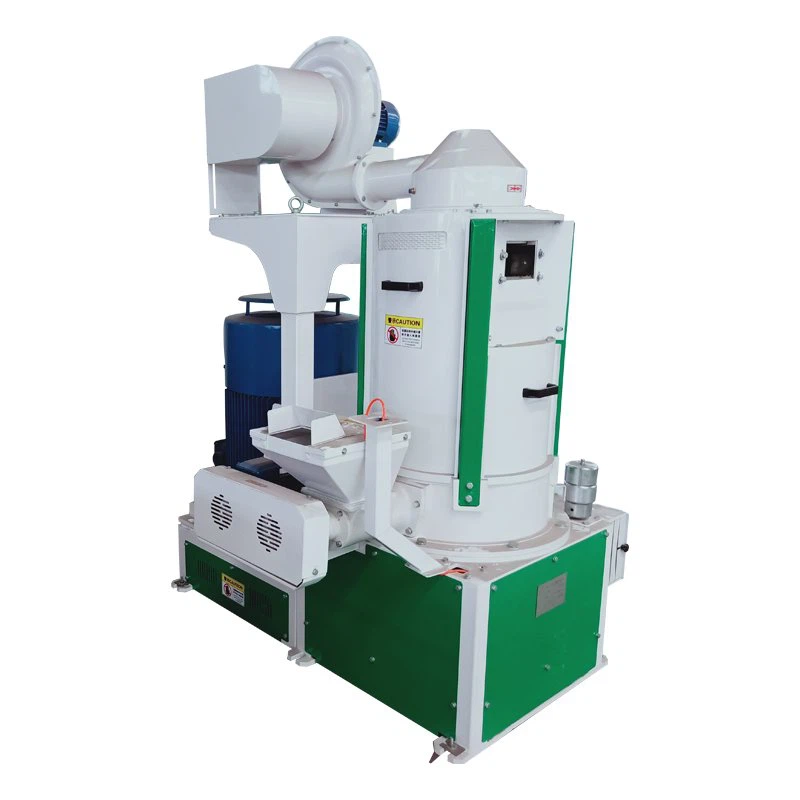
If you're looking to upgrade your corn processing equipment or need more advice on adjusting the feeding speed of your corn degerminator, don't hesitate to reach out. We're here to help you find the best solutions for your corn processing needs. Contact us to start a purchase negotiation and take your corn processing to the next level.
References
- General knowledge from years of experience in the corn degerminator manufacturing industry.
- Manufacturer's manuals of various corn degerminators.


