

Hey there! As a supplier of Semolina Purifiers, I often get asked the question: “How often should I replace the filter in a semolina purifier?” Well, let's dive right into it and break down the factors that determine the filter replacement frequency.
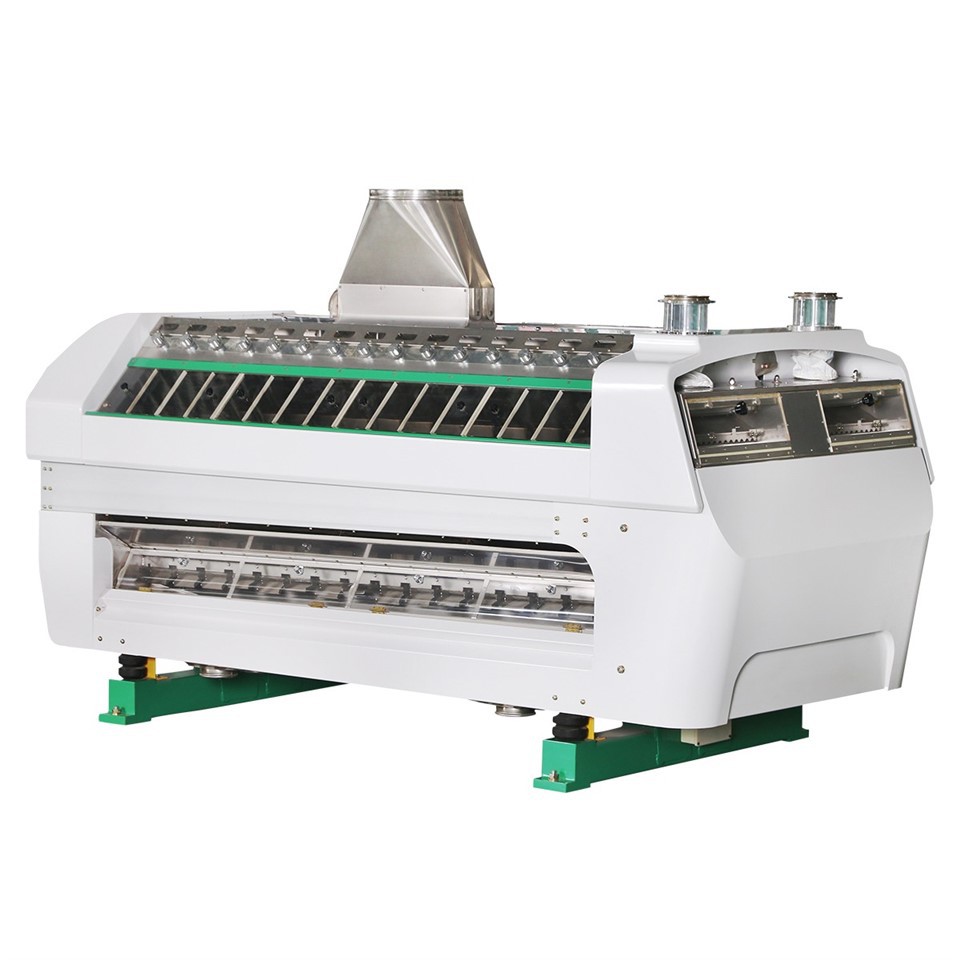
First off, what's a semolina purifier? It's a crucial piece of equipment in the flour - milling industry. You can learn more about it here: Semolina Purifier. Its main job is to separate semolina from bran and other impurities, and the filter plays a key role in this process. The filter traps the unwanted particles while allowing the semolina to pass through, ensuring the final product's quality.

Usage Frequency
One of the most significant factors affecting filter replacement is how often you use the semolina purifier. If you're running the machine 24/7 in a large - scale industrial setting, the filter is going to get dirty a lot faster compared to a small - scale operation that only uses it a few hours a week.
In a high - volume industrial environment, where the purifier is constantly processing large amounts of material, you might need to replace the filter every 1 - 2 weeks. The constant flow of semolina and impurities through the filter causes it to clog up quickly. On the other hand, if you're using the purifier for just a few hours a day, say in a small local mill, you could potentially stretch the filter replacement to every 3 - 4 weeks.
Quality of Input Material
The quality of the semolina you're processing also matters. If the input material is relatively clean and has fewer impurities, the filter won't get dirty as fast. However, if the semolina has a high percentage of bran, dust, or other contaminants, the filter will clog up much quicker.
For instance, if you're getting your semolina from a source that has a good pre - cleaning process, the filter might last a bit longer. But if you're working with raw, unprocessed semolina that's full of debris, you'll likely need to replace the filter more frequently. You can pair your semolina purifier with other equipment like the Plansifter Machine to improve the overall quality of the input material and potentially extend the filter life.
Filter Type and Design
Not all filters are created equal. Different types of filters have different capacities and filtration efficiencies. Some filters are made from more durable materials and can withstand more wear and tear, while others are designed for specific types of impurities.
For example, a high - end, heavy - duty filter might last longer than a standard filter. It can handle more pressure and trap more particles before it needs to be replaced. When choosing a filter for your semolina purifier, make sure to consider the specific requirements of your operation. You can also consult with us as your supplier to find the best filter option for you.
Environmental Conditions
The environment in which the semolina purifier operates can also impact the filter's lifespan. If the mill is in a dusty or humid environment, the filter is more likely to get dirty and degrade faster.
In a dusty environment, additional dust particles can enter the purifier and accumulate on the filter. Humidity can cause the trapped particles to stick together, making the filter clog up more quickly. In such conditions, you might need to replace the filter more often, perhaps every 1 - 2 weeks regardless of the usage volume.
Signs That It's Time to Replace the Filter
Now, how do you know when it's time to replace the filter? There are a few tell - tale signs.
- Reduced Flow Rate: If you notice that the semolina is flowing through the purifier at a slower rate than usual, it could be a sign that the filter is clogged. A clogged filter restricts the flow of material, which can slow down your entire production process.
- Decreased Product Quality: If the semolina coming out of the purifier has more impurities than normal, the filter might not be working effectively. You might see more bran or dust in the final product, indicating that the filter is no longer able to trap all the contaminants.
- Increased Pressure: Most semolina purifiers have a pressure gauge. If you see a significant increase in pressure, it could mean that the filter is blocking the flow and causing a build - up of pressure within the machine.
Maintenance Tips to Extend Filter Life
There are some things you can do to extend the life of your filter.
- Regular Cleaning: You can clean the filter regularly to remove some of the trapped particles. However, be careful not to damage the filter during the cleaning process. Use a gentle cleaning method that's appropriate for the filter material.
- Proper Storage: When you're not using the filter, store it in a clean, dry place. This helps prevent damage and keeps the filter in good condition for when you need it.
- Use Complementary Equipment: As mentioned earlier, using equipment like the Plansifter Machine and Industrial Roller Mill can improve the quality of the input material, reducing the strain on the filter.
Importance of Timely Filter Replacement
Replacing the filter at the right time is crucial. A clogged filter can lead to a number of problems. It can reduce the efficiency of the semolina purifier, slow down production, and even damage the machine in the long run. Moreover, it can affect the quality of the final product, which can have a negative impact on your business.
If you're unsure about the filter replacement schedule for your specific situation, don't hesitate to reach out to us. We're here to help you optimize your semolina purification process.
Conclusion
In conclusion, there's no one - size - fits - all answer to how often you should replace the filter in a semolina purifier. It depends on factors like usage frequency, quality of input material, filter type, and environmental conditions. By paying attention to the signs of a clogged filter and following some maintenance tips, you can make the most of your filter and keep your semolina purifier running smoothly.
If you're in the market for a new semolina purifier or need advice on filter replacement, we'd love to have a chat with you. Contact us to start a procurement discussion and find the best solutions for your milling needs.
References
- Industry best practices in flour milling
- Manufacturer's guidelines for semolina purifiers


