

Hey there! I'm a supplier of Wheat Roller Mills, and I've seen firsthand how different wheat varieties can really shake things up when it comes to the operation of these machines. In this blog, I'll break down the various ways wheat types influence the milling process, and why it matters for your business.
1. Physical Characteristics
First off, let's talk about the physical traits of different wheat varieties. Things like kernel size, shape, and hardness can have a big impact on how a Wheat Roller Mill works.
Kernel Size and Shape
Wheat kernels come in all shapes and sizes. Some are long and slender, while others are more round and plump. When it comes to milling, larger kernels are generally easier to handle. They flow through the mill more smoothly and are less likely to clog the machinery. On the other hand, smaller kernels can be a bit trickier. They might get stuck in the gaps between the rollers or cause uneven grinding.
For example, durum wheat typically has large, hard kernels. This makes it relatively easy to mill, as the kernels can withstand the pressure of the rollers without breaking into too many small pieces. In contrast, some soft wheat varieties have smaller kernels that can be more prone to shattering during the milling process.
Kernel Hardness
Hardness is another crucial factor. Hard wheat varieties, such as hard red winter wheat, have a high protein content and a tough outer layer. This means they require more force to break down. When you're using a Wheat Roller Mill to process hard wheat, you'll need to adjust the settings to apply more pressure between the rollers. This can put more strain on the mill, potentially leading to increased wear and tear on the equipment.
Soft wheat, like soft white wheat, is much easier to mill. It has a lower protein content and a softer texture, so it requires less force to grind. This can be a real advantage if you're looking to save energy and reduce maintenance costs. However, soft wheat also produces a finer flour, which might not be suitable for all applications.
2. Chemical Composition
The chemical makeup of wheat also plays a significant role in the milling process. The protein, starch, and moisture content can all affect how the wheat behaves in the mill.
Protein Content
Protein is a key component of wheat, and it has a direct impact on the quality of the flour. High-protein wheat varieties, such as hard wheat, are often used to make bread flour because the protein forms gluten when mixed with water. Gluten gives bread its elasticity and structure.
When milling high-protein wheat, the Wheat Roller Mill needs to be able to break down the protein molecules without damaging them. This requires a careful balance of pressure and speed. If the pressure is too high, the protein molecules can be denatured, resulting in a lower-quality flour.
Low-protein wheat, like soft wheat, is better suited for making pastries and cakes. The lower protein content means less gluten is formed, resulting in a more tender and crumbly texture. Milling low-protein wheat is generally easier, as there's less need to worry about preserving the protein structure.
Starch Content
Starch is the main carbohydrate in wheat, and it makes up the bulk of the flour. Different wheat varieties have different starch contents, and this can affect the milling process. Wheat with a high starch content tends to produce a finer flour, as the starch granules are more easily broken down.
However, high-starch wheat can also be more prone to sticking to the rollers. This can cause the mill to clog and reduce the efficiency of the milling process. To prevent this, you might need to adjust the humidity levels in the mill or use a Pneumatic Slide Gate to control the flow of wheat through the machine.
Moisture Content
Moisture is another important factor. Wheat that's too dry can be brittle and difficult to mill, while wheat that's too moist can clump together and cause problems in the mill. The ideal moisture content for milling wheat is typically around 14%.
If the moisture content is too low, you might need to add water to the wheat before milling to make it more pliable. On the other hand, if the moisture content is too high, you'll need to dry the wheat to prevent it from sticking to the rollers. This can add an extra step to the milling process and increase the overall cost.
3. Milling Efficiency
The choice of wheat variety can also have a significant impact on the efficiency of the Wheat Roller Mill. This includes factors such as throughput, energy consumption, and maintenance requirements.
Throughput
Throughput refers to the amount of wheat that the mill can process in a given amount of time. Different wheat varieties have different densities and flow characteristics, which can affect the throughput of the mill. For example, wheat with large, uniform kernels will generally flow through the mill more quickly than wheat with small, irregular kernels.
If you're looking to maximize the throughput of your Wheat Roller Mill, you'll want to choose a wheat variety that's easy to handle and has a consistent flow. This can help you increase your production capacity and reduce downtime.
Energy Consumption
Energy consumption is another important consideration. As mentioned earlier, hard wheat varieties require more force to mill, which means they consume more energy. If you're processing a lot of hard wheat, you might need to invest in a more powerful Wheat Roller Mill or adjust your operating procedures to reduce energy consumption.
Soft wheat, on the other hand, requires less energy to mill. This can be a significant cost savings over time, especially if you're running a large-scale milling operation.
Maintenance Requirements
The type of wheat you're milling can also affect the maintenance requirements of the Wheat Roller Mill. Hard wheat can be more abrasive, which means it can cause more wear and tear on the rollers and other components of the mill. This might require more frequent maintenance and replacement of parts.
Soft wheat is generally less abrasive, so it puts less strain on the mill. This can reduce the maintenance costs and extend the lifespan of the equipment. However, you'll still need to perform regular maintenance to keep the mill in good working condition.
4. Product Quality
Finally, the wheat variety can have a direct impact on the quality of the final product. This includes factors such as flour color, texture, and baking performance.
Flour Color
The color of the flour is influenced by the bran and germ content of the wheat. Wheat varieties with a higher bran and germ content will produce a darker flour, while wheat with a lower bran and germ content will produce a lighter flour.
If you're looking to produce a high-quality white flour, you'll want to choose a wheat variety that has a low bran and germ content. This can be achieved by using a Corn Degerminator or other separation techniques to remove the bran and germ before milling.
Flour Texture
The texture of the flour is determined by the protein and starch content of the wheat. High-protein wheat produces a flour with a coarser texture, while low-protein wheat produces a finer flour.
The texture of the flour can also be affected by the milling process. For example, if the mill is set to apply too much pressure, the flour can become over-milled and have a powdery texture. On the other hand, if the pressure is too low, the flour can be under-milled and have a gritty texture.
Baking Performance
The baking performance of the flour is perhaps the most important factor when it comes to the quality of the final product. Different wheat varieties have different baking characteristics, which can affect the volume, texture, and flavor of the baked goods.
For example, bread flour made from high-protein wheat will produce bread with a high volume and a chewy texture. Pastry flour made from low-protein wheat will produce pastries and cakes with a tender and crumbly texture.
Conclusion
As you can see, the choice of wheat variety can have a profound impact on the operation of a Wheat Roller Mill. From physical characteristics to chemical composition, every aspect of the wheat can affect how it behaves in the mill and the quality of the final product.
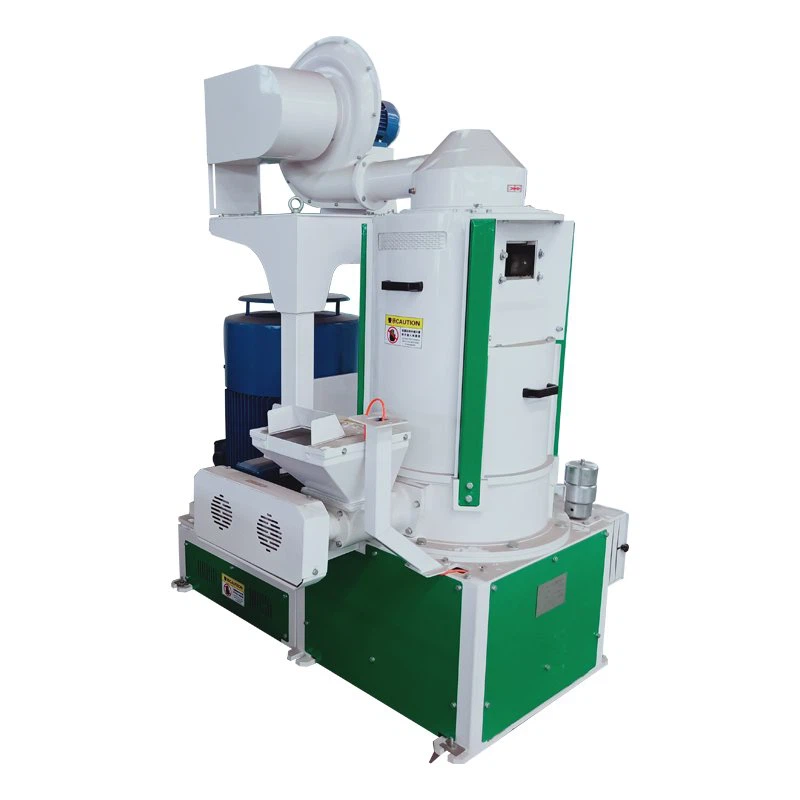
If you're in the market for a Wheat Roller Mill, it's important to consider the type of wheat you'll be processing. Our Industrial Roller Mill is designed to handle a wide range of wheat varieties, but by understanding the specific requirements of your wheat, you can optimize the performance of the mill and achieve the best possible results.
If you have any questions about how different wheat varieties might affect the operation of our Wheat Roller Mills, or if you're interested in learning more about our products, please don't hesitate to get in touch. We're here to help you find the right solution for your business.

References
- "Wheat Science and Trade" by Ronald D. Johnson and Steven C. Shaw
- "Flour Milling Technology" by Henry T. Finney and John A. Bechtel


