

Hey there! As a supplier of powder packers, I often get asked about the differences between domestic and imported powder packers. Well, let's dive right in and break it down.
1. Cost
First off, cost is a major factor that most buyers consider. Domestic powder packers generally have a price advantage. They're usually more budget - friendly because of lower manufacturing costs, less transportation fees, and fewer import - related taxes. For small and medium - sized businesses that are tight on budget, a domestic powder packer can be a great choice. It allows them to get a functional machine without breaking the bank.
On the other hand, imported powder packers tend to be more expensive. The high price is due to several reasons. The cost of production in some foreign countries might be higher, and then there are shipping costs, customs duties, and import taxes. But don't just write them off because of the price. Sometimes, that extra cost can be justified by the features and quality they offer.
2. Quality and Technology
When it comes to quality, imported powder packers often have a reputation for being top - notch. Many foreign manufacturers have been in the game for a long time and have advanced technologies and strict quality control systems. They might use better materials in the construction of the machines, which can lead to longer service life and fewer breakdowns.
For example, some imported powder packers use high - precision sensors and advanced control systems. These features allow for more accurate weighing and packing, reducing product waste and ensuring consistent quality of the packed products. They can handle a wider range of powders, from fine chemicals to coarse grains, with high efficiency.
Domestic powder packers, however, have come a long way in recent years. The quality has improved significantly, and many domestic manufacturers are now using advanced technologies as well. Some domestic companies have even developed their own unique technologies to meet the local market's needs. But on average, there might still be a small gap in overall quality and technological sophistication compared to imported ones.
3. After - sales Service
One of the big advantages of domestic powder packers is the after - sales service. Since the manufacturers are located within the country, it's much easier and faster to get technical support, replacement parts, and on - site maintenance. If there's a problem with the machine, a technician can usually be dispatched to the customer's location within a short time.
In contrast, getting after - sales service for imported powder packers can be a bit of a hassle. There might be language barriers, time - zone differences, and long shipping times for replacement parts. It could take weeks to get the machine up and running again if there's a major breakdown. However, some imported powder packer suppliers have set up local service centers in different countries to address these issues, but it's still not as convenient as domestic after - sales support.
4. Customization
Domestic powder packer suppliers are often more flexible when it comes to customization. They can quickly understand the specific needs of local customers and make modifications to the machines accordingly. Whether it's adjusting the packing speed, changing the size of the packing bags, or integrating the machine with other production line equipment, domestic manufacturers can usually offer customized solutions at a reasonable cost.
Imported powder packers might have more standardized designs. While they can offer some degree of customization, it could be more expensive and time - consuming. The manufacturers might need to go through a complex process of design modification and testing, which can delay the delivery of the machine.
5. Compatibility with Local Market
Domestic powder packers are designed with the local market in mind. They are more likely to be compatible with local power supplies, environmental conditions, and regulatory requirements. For example, they might be optimized to work with the local voltage and frequency, and they'll meet the local safety and quality standards without any additional modifications.
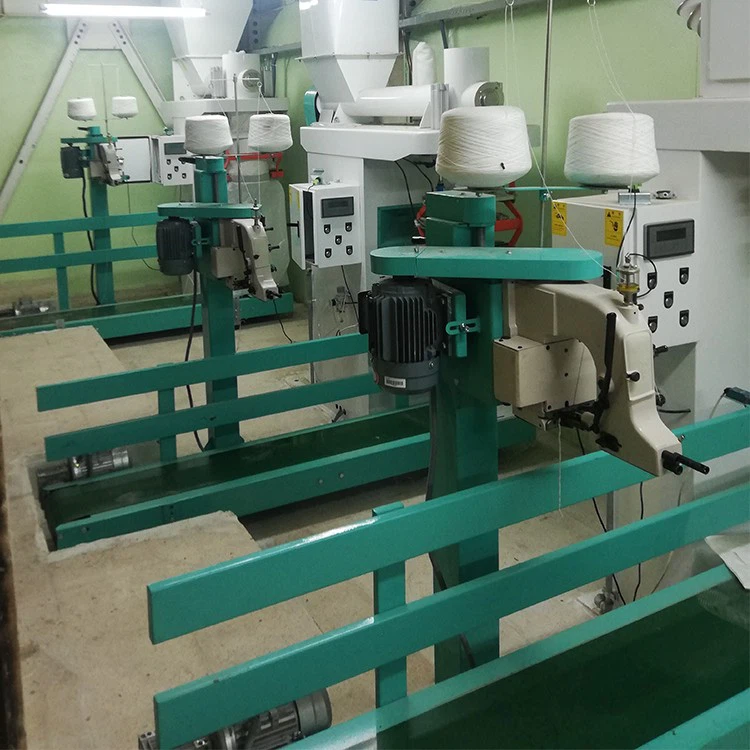

Imported powder packers, on the other hand, might need some adjustments to fit the local market. There could be issues with power compatibility, and they might need to be re - calibrated to meet the local regulatory requirements. This can add to the overall cost and complexity of using an imported machine.
6. Availability of Spare Parts
As I mentioned earlier, getting spare parts for domestic powder packers is a breeze. There are usually many local suppliers that stock a wide range of spare parts, so you can quickly replace a broken part and get the machine back to work.
For imported powder packers, spare parts can be hard to come by. You might have to order them directly from the manufacturer, which can take a long time. And sometimes, the parts might not be readily available, especially for older models.
Making the Right Choice
So, which one should you choose, a domestic or an imported powder packer? Well, it depends on your specific needs and budget. If you're on a tight budget and need quick after - sales service and customization, a domestic powder packer might be the way to go. On the other hand, if you need high - end technology, precision, and can afford the higher cost and potential after - sales challenges, an imported powder packer could be a better option.
If you're interested in learning more about powder packers, you can check out our Powder Packer page. And if you're looking for a complete Automatic Packing Line, we've got you covered too.
We're here to help you make the best decision for your business. Whether you're leaning towards a domestic or an imported powder packer, feel free to reach out to us for more information and to discuss your specific requirements. We can provide you with detailed product specifications, pricing, and even arrange a demonstration if needed. Let's work together to find the perfect powder packing solution for you!
References
- Industry reports on powder packing equipment
- Interviews with powder packer manufacturers and users


