

Hey there! As a packing equipment supplier, I've been getting a lot of questions about the power supply requirements for packing equipment. So, I thought I'd write a blog post to share some insights on this topic.
Let's start with the basics. Different types of packing equipment have different power needs. For instance, an Automatic Packing Line is a complex system that typically requires a significant amount of power. These lines are designed to handle high - volume packing tasks, and they often consist of multiple components like conveyors, filling machines, sealing units, and labeling devices. Each of these parts needs electricity to function properly.
Most automatic packing lines run on three - phase power. Three - phase power is more efficient and can provide a more stable supply of electricity compared to single - phase power. For a small - to medium - sized automatic packing line, you might need a power supply in the range of 10 to 30 kilowatts (kW). But for larger, high - speed lines, the power requirement can go up to 50 kW or even more. This is because the motors in the conveyors, the pumps in the filling systems, and the heating elements in the sealing units all consume a fair amount of energy.
Now, let's talk about Powder Packer. Powder packers are used to fill bags or containers with powdered products like flour, sugar, or chemicals. The power requirements for powder packers are generally lower than those of automatic packing lines.
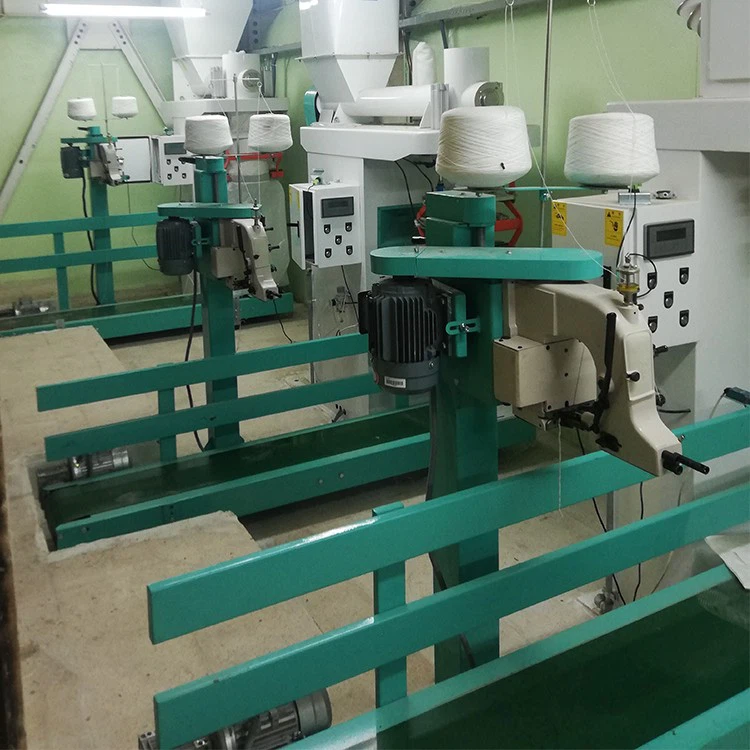

A basic powder packer usually runs on single - phase power. Single - phase power is commonly available in most commercial and industrial settings. The power consumption of a powder packer can vary depending on its size and features. A small, table - top powder packer might only need around 1 to 2 kW of power. However, larger, fully automated powder packers with advanced features like multiple filling heads and high - speed operation could require 5 to 10 kW.
When it comes to power supply voltage, it's crucial to match the equipment's requirements. In many countries, the standard voltage for industrial equipment is either 220V or 440V. Make sure you check the voltage rating of your packing equipment before connecting it to the power source. Using the wrong voltage can damage the equipment and even pose a safety risk.
Another important factor to consider is the power factor. The power factor is a measure of how effectively electrical power is being used. A low power factor means that the equipment is not using the electricity efficiently, which can lead to higher energy costs. Most modern packing equipment is designed to have a high power factor, but it's still something to keep in mind.
In addition to the main power supply, some packing equipment may also require a secondary power source for control systems, sensors, and other auxiliary components. These secondary power sources are usually low - voltage DC (direct current) supplies. For example, a control panel in an automatic packing line might need a 24V DC power supply to operate the relays, switches, and microcontrollers.
It's also essential to have a stable power supply. Fluctuations in voltage or power outages can cause problems for packing equipment. To protect your equipment from power surges and outages, you can install a uninterruptible power supply (UPS) or a voltage stabilizer. A UPS can provide temporary power during a power outage, allowing you to shut down the equipment safely. A voltage stabilizer, on the other hand, can regulate the voltage and keep it within the acceptable range for the equipment.
When planning the power supply for your packing equipment, you should also consider the future expansion of your production. If you think you might add more equipment or increase the production capacity in the future, it's a good idea to have some extra power capacity available. This way, you won't have to worry about upgrading the power supply every time you make changes to your packing line.
As a packing equipment supplier, I always recommend that my customers consult with a professional electrician before installing the equipment. An electrician can help you determine the exact power requirements, design the electrical system, and ensure that everything is installed safely and correctly.
If you're in the market for packing equipment and have questions about power supply requirements or any other aspect of the equipment, don't hesitate to reach out. We're here to help you find the right packing solution for your business. Whether you need a simple powder packer or a full - fledged automatic packing line, we've got you covered. Contact us to start the procurement negotiation process, and let's work together to make your packing operations more efficient and cost - effective.
References
- Industry standards for packing equipment power consumption
- Manufacturer's specifications for various packing equipment models


