

Transporting a wheat roller mill safely is a critical process that requires careful planning, proper equipment, and strict adherence to safety protocols. As a supplier of wheat roller mills, I understand the importance of ensuring that these valuable and often delicate machines reach their destination in perfect condition. In this blog, I will share some essential tips and guidelines on how to transport a wheat roller mill safely.
Pre - Transport Preparation
Inspection and Maintenance
Before transporting the wheat roller mill, it is essential to conduct a thorough inspection. Check for any loose parts, damaged components, or signs of wear and tear. Perform any necessary maintenance, such as tightening bolts, lubricating moving parts, and replacing worn - out belts. This not only ensures the mill's proper functioning during transportation but also helps prevent any potential damage that could occur due to pre - existing issues.

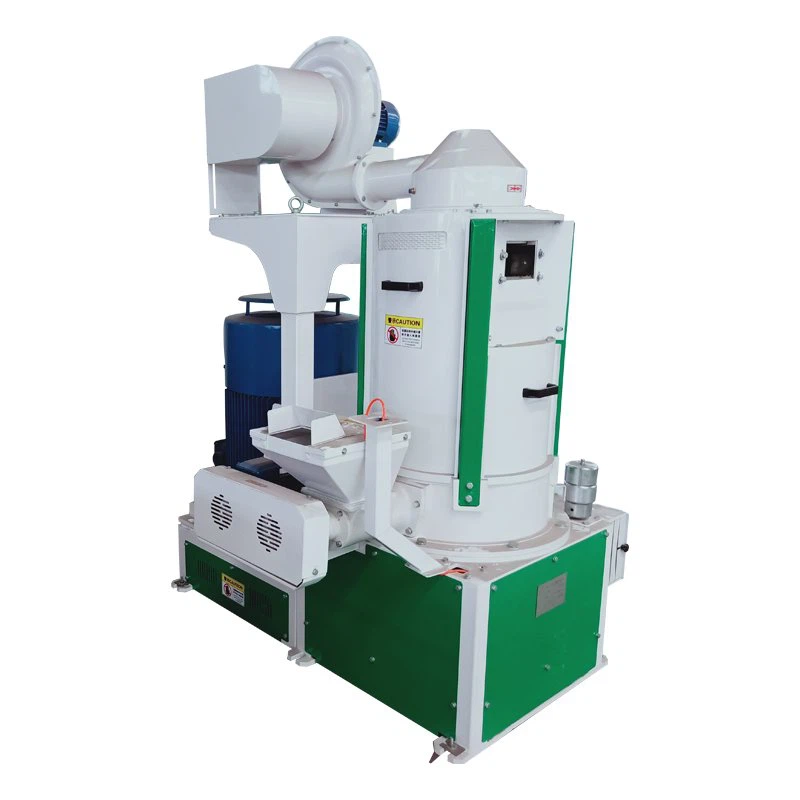
Disassembly
In many cases, disassembling the wheat roller mill into smaller, more manageable parts can make transportation easier and safer. However, this should be done carefully, following the manufacturer's instructions. Label all parts clearly to ensure easy reassembly at the destination. Keep track of all the small components, such as screws, nuts, and washers, and store them in labeled containers.
Documentation
Gather all the necessary documentation related to the wheat roller mill, including the user manual, warranty information, and any certificates of compliance. This documentation will be useful during transportation and also for the end - user. Make copies of these documents and keep them in a separate, secure location in case the originals are lost or damaged.
Packaging
Custom - Made Crates
Invest in high - quality, custom - made crates for packaging the wheat roller mill parts. These crates should be designed to fit the specific dimensions and shape of each part, providing maximum protection. Use sturdy materials such as plywood or heavy - duty plastic to construct the crates. Line the crates with shock - absorbing materials like foam or bubble wrap to cushion the parts during transit.
Securing the Parts
Once the parts are placed in the crates, secure them firmly to prevent movement. Use straps, brackets, or foam inserts to hold the parts in place. This will reduce the risk of damage caused by shifting during transportation.
Labeling
Clearly label each crate with the part name, its position in the mill, and any handling instructions. This will make it easier for the transportation team to handle the crates correctly and for the assembly team at the destination to identify and assemble the parts.
Choosing the Right Transportation Method
Road Transport
Road transport is a common choice for transporting wheat roller mills, especially for short to medium - distance deliveries. When choosing a road transport company, look for one with experience in transporting heavy and delicate machinery. Ensure that the truck has a flatbed or a well - secured trailer to prevent the crates from tipping over. The truck should also be equipped with shock - absorbing suspension to minimize vibrations during transit.
Sea Transport
For international or long - distance deliveries, sea transport may be a more cost - effective option. When shipping by sea, choose a reliable shipping line with a good track record of handling heavy machinery. The wheat roller mill parts should be loaded into shipping containers, which provide additional protection against the elements and rough handling. Ensure that the containers are properly sealed and secured to prevent water ingress and movement of the crates inside.
Air Transport
Air transport is the fastest option but also the most expensive. It is suitable for urgent deliveries or when the destination is far away and time is of the essence. When using air transport, ensure that the airline has the necessary facilities and expertise to handle heavy and oversized cargo. The parts should be packed in lightweight but sturdy crates to meet the airline's weight and size restrictions.
Handling During Transportation
Loading and Unloading
During loading and unloading, use appropriate lifting equipment such as cranes, forklifts, or pallet jacks. Ensure that the operators are trained and experienced in handling heavy machinery. The lifting equipment should be in good working condition and properly maintained. When lifting the crates, use the correct lifting points and ensure that the load is balanced to prevent tipping or dropping.
Securing the Load
Once the crates are loaded onto the transport vehicle, secure them properly to prevent movement during transit. Use straps, chains, or ropes to tie down the crates to the vehicle. Check the tightness of the securing devices regularly during the journey to ensure that they remain secure.
Monitoring
If possible, use tracking devices to monitor the location and condition of the wheat roller mill parts during transportation. This will allow you to keep an eye on the progress of the delivery and take immediate action if any issues arise, such as delays or unexpected movements.
Safety Considerations
Compliance with Regulations
Ensure that all transportation activities comply with local, national, and international regulations. This includes regulations related to the transportation of heavy machinery, hazardous materials (if any), and safety standards. Obtain all the necessary permits and licenses before transporting the wheat roller mill.
Insurance
Purchase comprehensive insurance coverage for the wheat roller mill during transportation. This will protect you against any potential losses or damages that may occur during transit. Make sure to read the insurance policy carefully and understand the terms and conditions, including the coverage limits and exclusions.
Post - Transport Checks
Inspection at Destination
Once the wheat roller mill parts arrive at the destination, conduct a thorough inspection before assembly. Check for any signs of damage that may have occurred during transportation. Compare the parts with the packing list to ensure that nothing is missing.
Assembly
If the mill was disassembled for transportation, follow the manufacturer's instructions carefully during the assembly process. Ensure that all parts are correctly installed and tightened. Test the mill to ensure that it is functioning properly before handing it over to the end - user.
In conclusion, transporting a wheat roller mill safely requires a combination of careful planning, proper packaging, choosing the right transportation method, and strict adherence to safety protocols. By following these guidelines, you can minimize the risk of damage and ensure that the mill reaches its destination in perfect condition.
If you are in the market for a high - quality Flour Roller Mill Machine, or need assistance with transporting your existing wheat roller mill, feel free to contact us. We are a leading supplier of wheat roller mills and related equipment, including Pneumatic Slide Gate and Corn Degerminator. Our team of experts is ready to provide you with the best solutions and support for your milling needs. Contact us today to start the conversation and discuss your requirements.
References
- Manufacturer's user manuals for wheat roller mills.
- Industry standards and regulations for transporting heavy machinery.
- Best practices in packaging and shipping of industrial equipment.


