

As a seasoned supplier of Powder Packer, I understand the critical importance of packing precision in the powder packaging industry. Precision packing not only ensures product quality and consistency but also enhances efficiency and reduces waste. In this blog post, I will share some practical tips and strategies to improve the packing precision of a powder packer.

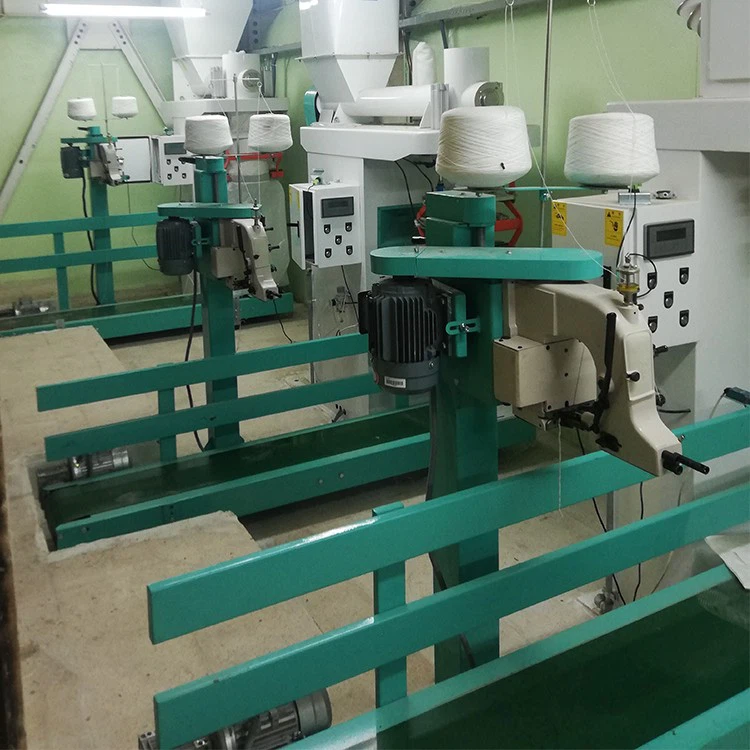
Understanding the Factors Affecting Packing Precision
Before delving into the solutions, it is essential to understand the factors that can affect the packing precision of a powder packer. These factors can be broadly categorized into three main areas: equipment, material, and environment.
Equipment Factors
- Mechanical Wear and Tear: Over time, the moving parts of a powder packer can experience wear and tear, which can lead to inaccuracies in the packing process. Regular maintenance and inspection of the equipment are crucial to ensure that all components are in good working condition.
- Calibration: Incorrect calibration of the powder packer can result in inconsistent packing weights. It is important to calibrate the equipment regularly using accurate weighing scales to ensure that the packing weights are within the specified tolerance range.
- Feeding System: The feeding system of the powder packer plays a vital role in determining the packing precision. A poorly designed or malfunctioning feeding system can cause uneven flow of powder, leading to variations in the packing weights.
Material Factors
- Powder Characteristics: The physical and chemical properties of the powder, such as particle size, density, and流动性, can significantly affect the packing precision. Powders with different characteristics may require different packing parameters and equipment settings.
- Moisture Content: High moisture content in the powder can cause clumping and sticking, which can affect the flowability of the powder and lead to inaccurate packing. It is important to control the moisture content of the powder within the recommended range.
- Bulk Density: The bulk density of the powder can vary depending on factors such as particle size, shape, and packing density. Variations in bulk density can result in inconsistent packing weights. It is important to measure and control the bulk density of the powder to ensure accurate packing.
Environmental Factors
- Temperature and Humidity: Temperature and humidity can affect the physical properties of the powder and the performance of the powder packer. High temperatures and humidity can cause the powder to clump and stick, while low temperatures can make the powder more brittle and difficult to handle. It is important to maintain a stable environment with controlled temperature and humidity levels.
- Vibration and Noise: Vibration and noise can cause the powder to settle unevenly in the packing container, leading to variations in the packing weights. It is important to install the powder packer on a stable surface and minimize vibration and noise levels.
Strategies to Improve Packing Precision
Based on the above factors, here are some strategies to improve the packing precision of a powder packer:
Equipment Maintenance and Calibration
- Regular Maintenance: Establish a regular maintenance schedule for the powder packer, including cleaning, lubrication, and inspection of all components. Replace any worn or damaged parts promptly to ensure the smooth operation of the equipment.
- Accurate Calibration: Calibrate the powder packer regularly using accurate weighing scales to ensure that the packing weights are within the specified tolerance range. Follow the manufacturer's instructions for calibration and use certified calibration weights.
- Upgrade and Modernize: Consider upgrading or modernizing the powder packer to improve its performance and packing precision. Newer models may incorporate advanced technologies and features that can enhance the accuracy and efficiency of the packing process.
Material Handling and Preparation
- Proper Storage and Handling: Store the powder in a dry, cool, and clean environment to prevent moisture absorption and contamination. Use appropriate containers and handling equipment to ensure the integrity of the powder.
- Pre-Treatment: Depending on the characteristics of the powder, pre-treatment processes such as sieving, drying, or blending may be necessary to improve its flowability and consistency.
- Bulk Density Control: Measure and control the bulk density of the powder to ensure accurate packing. Adjust the packing parameters, such as the filling speed and the amount of powder dispensed, based on the bulk density of the powder.
Process Optimization
- Optimal Packing Parameters: Determine the optimal packing parameters, such as the filling speed, the amount of powder dispensed, and the packing time, based on the characteristics of the powder and the requirements of the packing process. Conduct trials and experiments to find the best settings for your specific application.
- Automation and Control: Implement automation and control systems to monitor and adjust the packing process in real-time. This can help to ensure consistent packing weights and reduce the risk of human error.
- Quality Control: Establish a quality control system to monitor the packing precision and detect any deviations from the specified tolerance range. Conduct regular inspections and tests to ensure that the packed products meet the required quality standards.
Environmental Management
- Temperature and Humidity Control: Maintain a stable environment with controlled temperature and humidity levels to prevent the powder from clumping and sticking. Use air conditioning, dehumidifiers, or other environmental control equipment as needed.
- Vibration and Noise Reduction: Install the powder packer on a stable surface and use vibration isolation pads or other noise reduction measures to minimize the impact of vibration and noise on the packing process.
Conclusion
Improving the packing precision of a powder packer requires a comprehensive approach that addresses the equipment, material, and environment factors. By implementing the strategies outlined in this blog post, you can enhance the accuracy and efficiency of your powder packing process, reduce waste, and improve the quality of your packed products.
If you are interested in learning more about our Powder Packer or Automatic Packing Line solutions, please feel free to contact us for a consultation. Our team of experts will be happy to assist you in finding the best packing solution for your specific needs.
References
- Smith, J. (2018). Handbook of Powder Packaging Technology. CRC Press.
- Jones, R. (2019). Principles of Powder Handling and Processing. Wiley.
- Brown, S. (2020). Quality Control in Powder Packaging. Packaging World.


