

As a supplier of Powder Packers, one of the most frequently asked questions I encounter is, "How long does a powder packer usually last?" This is a crucial inquiry for businesses looking to invest in this equipment, as it directly impacts long - term costs, productivity, and overall operational efficiency. In this blog post, I'll delve into the factors that influence the lifespan of a powder packer and provide some insights to help you make an informed decision.
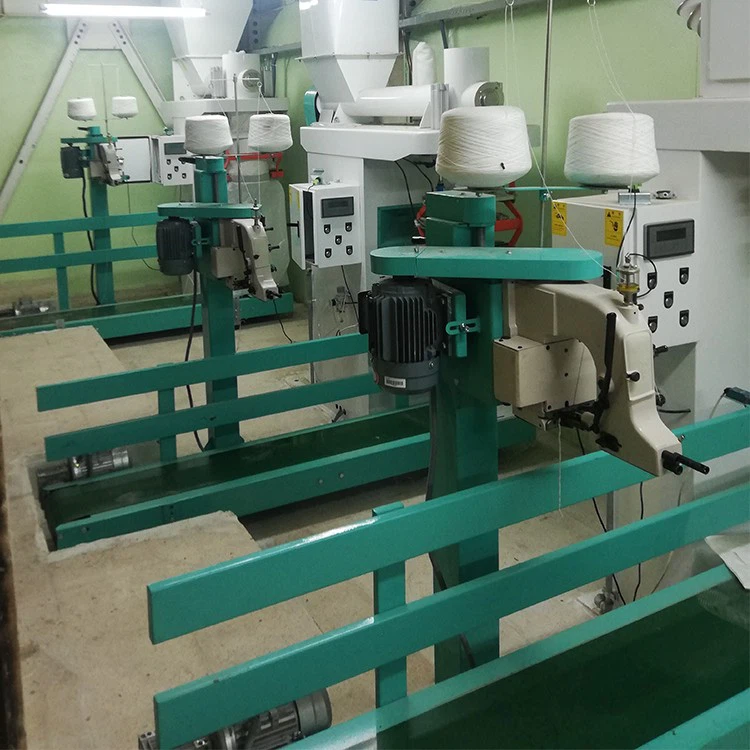

Factors Affecting the Lifespan of a Powder Packer
Quality of Construction
The build quality of a powder packer is a fundamental determinant of its longevity. High - quality powder packers are constructed using durable materials such as stainless steel for the contact parts, which are resistant to corrosion and wear. The frame and other structural components are also made of robust materials that can withstand the rigors of continuous operation. For instance, a well - built powder packer may have a solid steel frame that provides stability and support during the packing process.
When a powder packer is built with precision and high - grade materials, it is less likely to experience mechanical failures and breakdowns. The internal components, such as the filling mechanisms, conveyor belts, and control systems, are also engineered to last. A powder packer from a reputable manufacturer will often have a longer lifespan compared to a cheaper, lower - quality alternative. You can explore high - quality options on our Powder Packer page.
Frequency of Use
The more frequently a powder packer is used, the more wear and tear it will experience. In a high - volume production environment where the powder packer runs continuously for multiple shifts a day, the components will naturally degrade faster than in a low - volume operation. For example, the seals in the filling nozzles may wear out more quickly due to the constant contact with the powder and the repeated opening and closing of the valves.
However, this doesn't mean that a powder packer used intensively will have a short lifespan. With proper maintenance and regular servicing, a well - made powder packer can still operate efficiently for a long time even under heavy usage. Some manufacturers design their powder packers to handle high - throughput operations, and these models are often equipped with reinforced components to withstand the extra stress.
Type of Powder Being Packed
The characteristics of the powder being packed can also have a significant impact on the lifespan of the powder packer. Abrasive powders, such as certain types of metal powders or mineral powders, can cause more wear on the internal components of the packer. These powders can erode the surfaces of the filling tubes, valves, and conveyor belts over time.
On the other hand, fine and free - flowing powders are generally less abrasive and may cause less damage to the equipment. Hygroscopic powders, which absorb moisture from the air, can also pose challenges. If not properly handled, they can cause clogging in the packing system, leading to increased stress on the components and potentially reducing the lifespan of the powder packer.
Maintenance and Servicing
Regular maintenance is the key to extending the lifespan of a powder packer. This includes cleaning the equipment after each use to prevent powder buildup, lubricating moving parts, and inspecting for any signs of wear or damage. Scheduled servicing by trained technicians is also essential. During servicing, the technicians can perform tasks such as replacing worn - out parts, calibrating the equipment, and ensuring that all safety features are functioning correctly.
A well - maintained powder packer can last significantly longer than one that is neglected. For example, if the filters in the dust collection system are not replaced regularly, it can lead to reduced airflow and increased dust accumulation, which can damage the internal components of the packer.
Typical Lifespan of a Powder Packer
On average, a high - quality powder packer that is properly maintained can last anywhere from 10 to 15 years. However, this is just a rough estimate, and the actual lifespan can vary depending on the factors mentioned above.
In a low - volume, light - use environment with meticulous maintenance, a powder packer may last even longer, perhaps 20 years or more. Conversely, in a high - volume production setting with abrasive powders and less consistent maintenance, the lifespan may be closer to 5 - 10 years.
Extending the Lifespan of Your Powder Packer
Training Your Staff
Proper training of your staff is crucial for the long - term performance of your powder packer. Make sure your operators are familiar with the correct operating procedures, including how to start and stop the equipment, how to adjust the settings, and how to handle any minor issues that may arise. Well - trained operators are less likely to make mistakes that could damage the equipment.
Using Genuine Parts
When it comes to replacing parts, always use genuine parts recommended by the manufacturer. These parts are designed to fit perfectly and work in harmony with the rest of the equipment. Using non - genuine parts may lead to compatibility issues and could potentially shorten the lifespan of the powder packer.
Upgrading the Equipment
As technology advances, consider upgrading your powder packer to improve its performance and extend its lifespan. Upgrades can include installing new control systems, more efficient filling mechanisms, or better dust collection systems. This not only enhances the functionality of the equipment but also helps it keep up with the changing demands of your production process.
The Role of an Automatic Packing Line
If you're looking to increase the efficiency and productivity of your powder packing operations, integrating your powder packer into an Automatic Packing Line can be a great option. An automatic packing line can streamline the entire packing process, from powder feeding to bag sealing.
By automating the process, you can reduce the amount of manual labor required, which in turn can lead to more consistent packing quality and less wear and tear on the powder packer. The automatic packing line can also be programmed to perform regular maintenance tasks, such as cleaning and lubrication, at scheduled intervals, further extending the lifespan of the equipment.
Conclusion
In conclusion, the lifespan of a powder packer is influenced by several factors, including the quality of construction, frequency of use, type of powder being packed, and maintenance practices. By understanding these factors and taking appropriate measures to care for your equipment, you can ensure that your powder packer serves you well for many years.
If you're in the market for a new powder packer or looking to upgrade your existing equipment, we're here to help. Our team of experts can provide you with detailed information about our products and assist you in choosing the right solution for your specific needs. Contact us today to start a discussion about your powder packing requirements and take the first step towards a more efficient and productive packing operation.
References
- Industry reports on powder packing equipment durability
- Manufacturer's specifications and guidelines for powder packers


