

Can a vacuum feeder handle sticky materials? That's a question I get asked a lot as a vacuum feeder supplier. In this blog, I'll share my insights on this topic based on my years of experience in the industry.
Understanding Sticky Materials
First off, let's talk about what we mean by "sticky materials." These are substances that have a high tendency to adhere to surfaces. They can range from wet powders like sugar syrups or damp flour to semi - solid materials such as pastes and gels. The stickiness can come from various factors, including high moisture content, the presence of natural or added binders, or low melting points.
How Vacuum Feeders Work
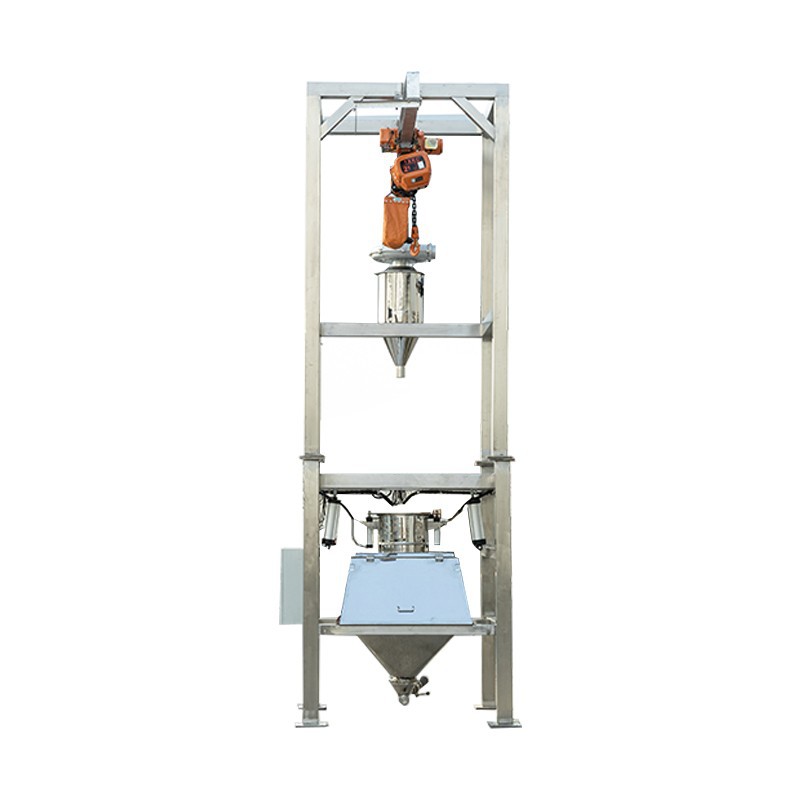
Before we dive into whether vacuum feeders can handle sticky materials, let's quickly go over how vacuum feeders operate. A vacuum feeder uses a vacuum pump to create a pressure difference. This pressure difference sucks the material from a source (like a hopper or a Jumbo Bag Unloading Machine) into the feeder and then transports it to the desired destination, such as a processing machine.
Challenges with Sticky Materials
Sticky materials pose several challenges for vacuum feeders. One of the main issues is clogging. Since these materials stick to the inner walls of the feeder, pipes, and filters, they can build up over time and block the flow of material. This not only disrupts the feeding process but can also damage the equipment if left unaddressed.
Another problem is the difficulty in cleaning. Once sticky materials adhere to the components, it can be a real pain to get them off. This can lead to cross - contamination if different materials are being fed through the same system, and it also increases maintenance time and costs.
Can Vacuum Feeders Handle Sticky Materials?
The short answer is yes, but with some modifications and considerations.
Material - Friendly Design
For starters, the design of the vacuum feeder needs to be optimized for sticky materials. Smooth inner surfaces can reduce the adhesion of the material. Special coatings can also be applied to the interior of the feeder and pipes to make them more non - stick.

Filter Selection
The filter is a crucial component in a vacuum feeder. When dealing with sticky materials, a Inserted Jet Filter can be a great choice. These filters are designed to be easily cleaned by using a jet of air to dislodge the stuck material. This helps to maintain the airflow and prevent clogging.
Feeding Rate and Pressure
Adjusting the feeding rate and the vacuum pressure is also important. A slower feeding rate can prevent overloading the system and reduce the chances of clogging. Similarly, the right vacuum pressure needs to be set to ensure that the material is transported smoothly without causing excessive sticking.
Pre - Treatment
Sometimes, pre - treating the sticky materials can make them more manageable for the vacuum feeder. For example, adding anti - caking agents or drying the material slightly can reduce its stickiness.
Case Studies
I've seen many successful applications of vacuum feeders with sticky materials. For instance, a food processing company was having trouble feeding a sticky chocolate paste into their molding machine. By using a vacuum feeder with a specially coated interior and an inserted jet filter, we were able to solve their problem. The smooth coating reduced the adhesion of the chocolate paste, and the jet filter kept the airflow consistent, ensuring a continuous feeding process.
Another example is a pharmaceutical company that needed to feed a sticky powder into a tablet - pressing machine. After adjusting the feeding rate and installing a vacuum feeder with a high - efficiency filter, they were able to achieve a stable and reliable feeding process.
The Role of Manual Feeding Stations
In some cases, a Manual Feeding Station can be used in conjunction with a vacuum feeder. Manual feeding stations allow operators to add small amounts of sticky materials in a controlled manner. This can be especially useful when dealing with materials that are too difficult to handle in large quantities through the vacuum feeder alone.
Maintenance and Care
Proper maintenance is key when using a vacuum feeder for sticky materials. Regular cleaning of the feeder, pipes, and filters is essential to prevent clogging and ensure optimal performance. It's also important to inspect the equipment for any signs of wear and tear, especially in areas where the sticky material comes into contact.
Conclusion
So, to sum it up, a vacuum feeder can handle sticky materials, but it requires some careful planning and the right equipment. By choosing the right design, filters, and adjusting the operating parameters, you can overcome the challenges associated with sticky materials.
If you're facing issues with feeding sticky materials or are considering using a vacuum feeder for your application, I'd love to help. We have a wide range of vacuum feeders and solutions tailored to different needs. Contact us to discuss your requirements and let's find the best solution for you.
References
- Smith, J. (2020). "Advanced Material Handling Techniques." Industrial Press.
- Brown, A. (2019). "Vacuum Feeding Systems: Principles and Applications." Chemical Engineering Journal.


