

As a supplier of Inserted Jet Filters, I am frequently asked about the feasibility of using these filters in medical devices. This question is not only relevant to the medical industry but also to our business as we strive to expand the application scope of our products. In this blog, I will delve into the topic, exploring the potential use of Inserted Jet Filters in medical devices, the challenges involved, and the possible solutions.
Understanding Inserted Jet Filters
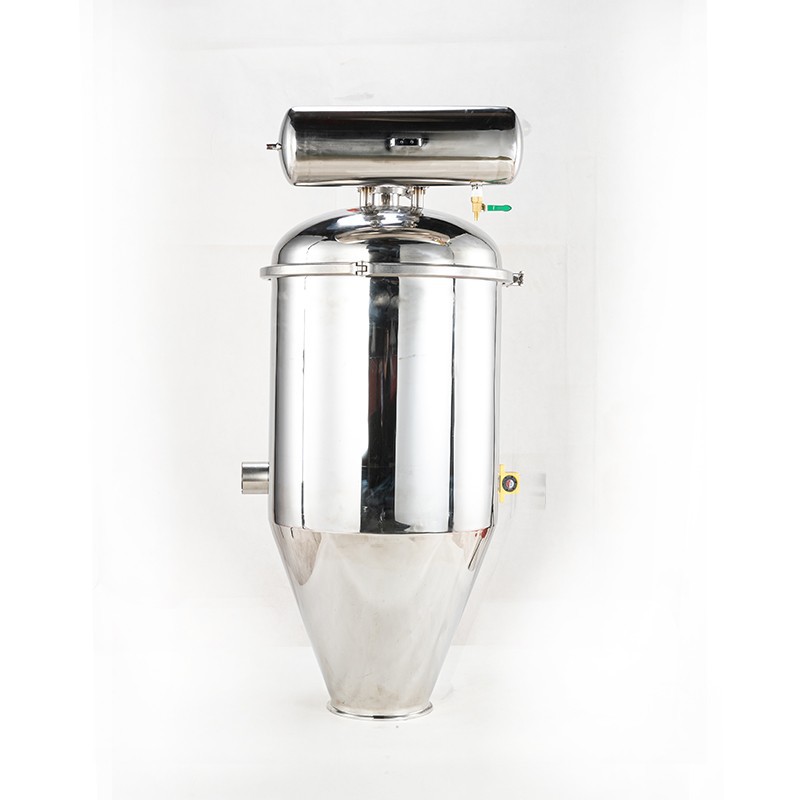
Before discussing their application in medical devices, it's essential to understand what Inserted Jet Filters are. Inserted Jet Filters are a type of filtration system commonly used in industrial settings, especially in Vacuum Feeder Machines. These filters are designed to remove dust, particles, and other contaminants from the air or gas stream, ensuring a clean and efficient operation of the equipment.
The basic principle of an Inserted Jet Filter involves the use of a jet of compressed air to clean the filter media periodically. This process helps to maintain the filtration efficiency and prevent clogging, which is crucial for continuous operation. The filter media can be made of various materials, such as polyester, polypropylene, or PTFE, depending on the specific application requirements.
Potential Use in Medical Devices
Medical devices require a high level of purity and reliability to ensure patient safety and the effectiveness of treatment. Inserted Jet Filters have several characteristics that make them potentially suitable for use in medical devices.
Filtration Efficiency
One of the primary requirements for medical devices is the ability to filter out harmful particles and microorganisms. Inserted Jet Filters can achieve high filtration efficiency, removing particles as small as a few microns. This level of filtration can help to prevent the spread of airborne diseases and ensure a clean environment within the medical device.
Self - Cleaning Mechanism
The self - cleaning mechanism of Inserted Jet Filters is another advantage. In medical applications, where continuous operation is often required, the ability to clean the filter without interrupting the process is crucial. The jet of compressed air can remove accumulated particles from the filter media, maintaining the filtration performance over time.
Compatibility with Different Gases and Liquids
Medical devices may handle various gases and liquids, such as oxygen, nitrogen, and medical fluids. Inserted Jet Filters can be designed to be compatible with different types of gases and liquids, making them suitable for a wide range of medical applications.
Challenges in Using Inserted Jet Filters in Medical Devices
Despite the potential benefits, there are several challenges that need to be addressed when considering the use of Inserted Jet Filters in medical devices.
Regulatory Compliance
Medical devices are subject to strict regulatory requirements, such as the FDA regulations in the United States and the CE marking in Europe. Inserted Jet Filters used in medical devices must comply with these regulations, which may include requirements for material safety, biocompatibility, and sterilization. Ensuring regulatory compliance can be a complex and time - consuming process.
Sterilization
Medical devices often need to be sterilized to prevent the growth of bacteria and other microorganisms. The sterilization process can affect the performance and integrity of the Inserted Jet Filter. For example, high - temperature sterilization methods may damage the filter media or the self - cleaning mechanism. Finding a suitable sterilization method that does not compromise the filter's performance is a significant challenge.
Contamination Risk
Even with high - efficiency filtration, there is still a risk of contamination in medical devices. The compressed air used in the self - cleaning mechanism may introduce contaminants if not properly filtered. Additionally, the materials used in the filter construction must be carefully selected to avoid leaching of harmful substances into the medical device.
Solutions to the Challenges
To overcome the challenges mentioned above, several solutions can be implemented.
Regulatory Consultation
Working closely with regulatory experts is essential to ensure that the Inserted Jet Filters meet all the necessary requirements. Regulatory consultants can provide guidance on the approval process, help with documentation, and ensure that the product design complies with the relevant standards.
Sterilization Optimization
Research and development efforts should be focused on finding suitable sterilization methods for Inserted Jet Filters. For example, low - temperature sterilization methods, such as ethylene oxide sterilization or gamma irradiation, may be more suitable for maintaining the filter's performance. Additionally, the filter materials and construction can be optimized to withstand the sterilization process.
Enhanced Contamination Control
To reduce the risk of contamination, additional filtration steps can be added to the compressed air supply used in the self - cleaning mechanism. High - efficiency particulate air (HEPA) filters can be installed to remove any potential contaminants from the compressed air. Moreover, using biocompatible materials in the filter construction can minimize the risk of leaching.
Real - World Applications and Case Studies
Although the use of Inserted Jet Filters in medical devices is still in its early stages, there are some potential real - world applications.
Medical Air Compressors
Medical air compressors are used to supply compressed air for various medical devices, such as ventilators and anesthesia machines. Inserted Jet Filters can be used to filter the intake air, removing dust and contaminants before the air enters the compressor. This can help to improve the reliability and performance of the medical air compressor.
Laboratory Equipment
In laboratory settings, Inserted Jet Filters can be used in equipment such as fume hoods and biosafety cabinets. These filters can help to maintain a clean and safe environment by removing harmful particles and chemicals from the air.

Conclusion
In conclusion, Inserted Jet Filters have the potential to be used in medical devices due to their high filtration efficiency, self - cleaning mechanism, and compatibility with different gases and liquids. However, several challenges, such as regulatory compliance, sterilization, and contamination risk, need to be addressed. By implementing appropriate solutions, such as regulatory consultation, sterilization optimization, and enhanced contamination control, these challenges can be overcome.
If you are interested in exploring the use of Inserted Jet Filters in your medical devices or other applications, I encourage you to contact us for further discussion. Our team of experts can provide you with detailed information about our products and help you find the best solution for your specific needs. We are committed to providing high - quality filtration products and excellent customer service.
References
- ASTM International. (Year). Standard Test Methods for Evaluating the Performance of Air - Cleaning Devices. ASTM F 1471/F 1471M - 19. ASTM International.
- European Committee for Standardization. (Year). Medical Devices - General Requirements for Safety and Performance. EN ISO 13485:2016. CEN.
- U.S. Food and Drug Administration. (Year). Guidance for Industry and Food and Drug Administration Staff - Class II Special Controls Guidance Document: Airborne Infection Isolation Rooms. FDA.


